

13 Foods Lumberjacks Ate Back In The Day
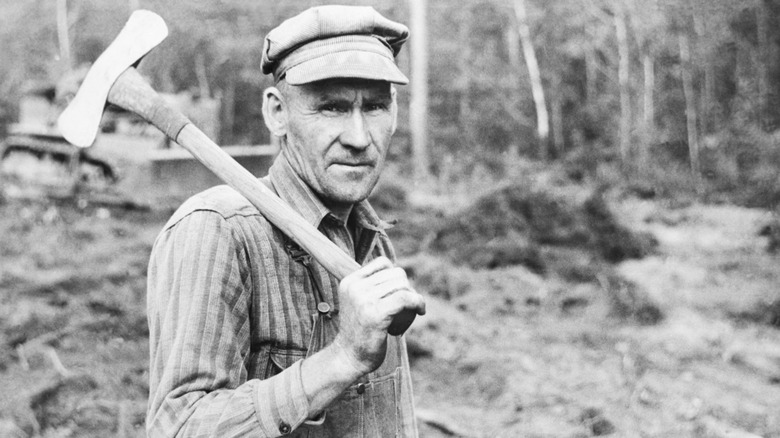
From the late 1800s to the early 1900s, logging was a booming industry in the U.S. During this period, camps were established in the Great Lakes region, predominantly in the states of Minnesota, Michigan, and Wisconsin. Here lumberjacks would reside for months, beginning in the fall and throughout the winter, when it was easier to harvest trees.
The hardy men who occupied these camps did so because the work paid well, even if it was often exhausting and dangerous. Work hours began at dawn and went until dusk, from Monday through Saturday. The long hours required sustenance that fueled these men and gave them the energy they needed to keep working.
To discover the foods that were typically served in the mess halls of these logging camps, we consulted with a few experts on the matter, including Willa Hammitt Brown (author of "Gentlemen of the Woods: Manhood, Myth, and the American Lumberjack"), Dixie Stewart (secretary and treasurer of the Tahquamenon Logging Museum), and Kerry Bloedorn (director of the Pioneer Park Historical Complex). These experts highlighted not just which foods were consumed by lumberjacks, but why, painting a stark picture of the challenges of daily life for these hardworking men.
1. Pancakes loaded with butter and maple syrup
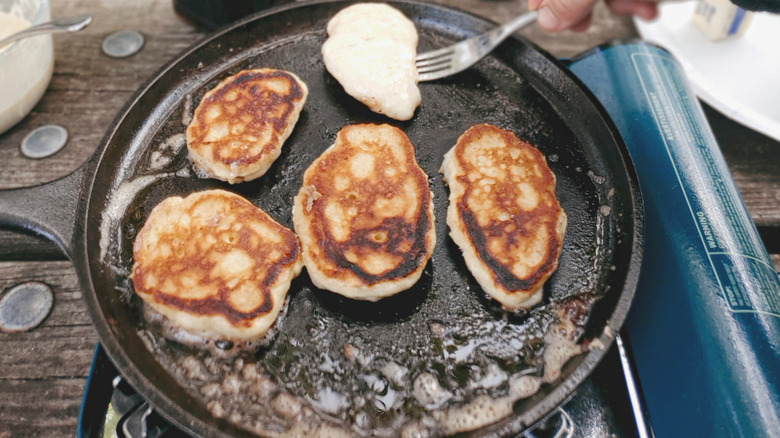
Many folks today see basic homemade pancakes as a treat that they can enjoy occasionally for breakfast. But, for lumberjacks, they were a necessary source of nourishment and energy. The pancakes themselves provided lots of carbohydrates, while maple syrup added an immediate burst of sugar to jumpstart the lumberjacks' intense days.
As noted by Dixie Stewart, "The morning meal was very important for the hard-working lumberjack as they needed 5,000 to 8,000 calories daily to maintain the hard work they did in very cold weather. Pancakes with lots of butter and syrup was one of their favorites."
Willa Hammit Brown agreed that a hearty breakfast that was high in calories was essential for setting the men up for a successful day out in the woods. She also said that lumberjacks developed their own language. "They ... had little nicknames for nearly everything (partially this is just in-group lingo, but to some extent it likely helped with language barriers among immigrants)." The moniker for pancakes? These were called sweatpads, which doesn't sound especially appetizing, but kept the lumberjacks going for hours.
2. Oatmeal or porridge
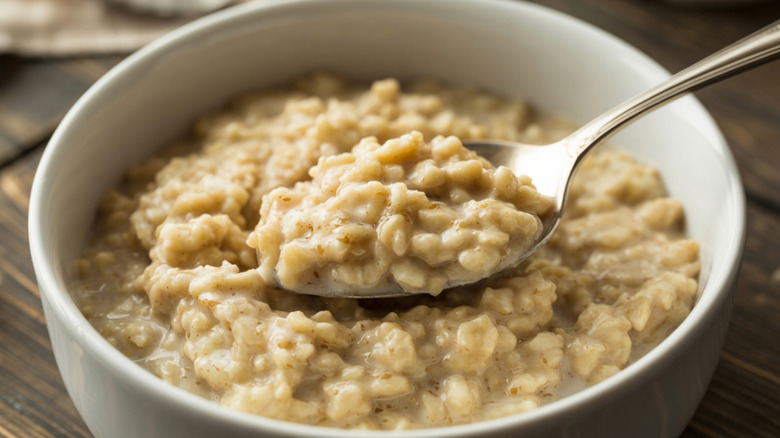
A lumberjack's breakfast didn't stop at pancakes. They were only a small piece of the picture. Oatmeal and other simple porridge recipes also helped fill the lumberjacks up a few times a week. Dixie Stewart said, "Oatmeal and porridge were served some days too ... The camp cooks had to change up their menu so the jacks would be happy. They worked with a limited number of supplies and made it all work."
Presumably oatmeal and porridge were staples that could be stored from the beginning of the lumbering season until the camp was vacated, making it an invaluable resource. As Kerry Bloedorn expressed, cooks had to make constant calculations to ensure they never ran out of staple ingredients. "Once the season started, the cook worked with what he had." As more perishable items were used up, staple grains could provide necessary calories with little effort.
While perhaps less flavorful than other meals, Willa Hammitt Brown noted that "hunger was the best sauce." Even if the lumberjacks weren't as keen on oatmeal or porridge for breakfast, "they'd eat what they were given."
3. Cured meats
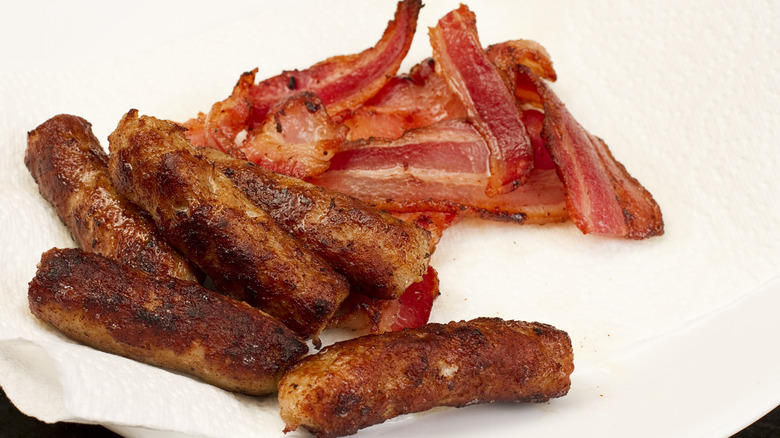
Pancakes, oatmeal, and porridge are a great start, but the lumberjacks also needed some protein for breakfast. Ham, bacon, or sausage were thus frequently on the menu. However, meat of any kind was a luxury, and many camps chose to stock up on processed meats because they wouldn't go bad as quickly. "Meat was rarer until the 20th [century], though cured meats like jerkies and bacon were around," Willa Hammitt Brown said.
Before refrigeration was invented, the only way to prolong the shelf-life of meat was to dry it or salt cure it. These meats could subsequently be smoked for added flavor and to inhibit bacterial growth on the exterior fat layers of the cut. Not only were these hunks of meat easy to transport, when kept whole, they could last for nearly the duration of the camp season.
As for how they were stored, Kerry Bloedorn explained, "Cured and smoked meats, hams, and slabs of bacon hung from the rafters of the cook shack or a dedicated smokehouse, where cold air and smoke kept them preserved." The long, cold winters provided the ideal environment for preserving this meat, thereby guaranteeing a relatively steady protein supply.
4. Baked goods
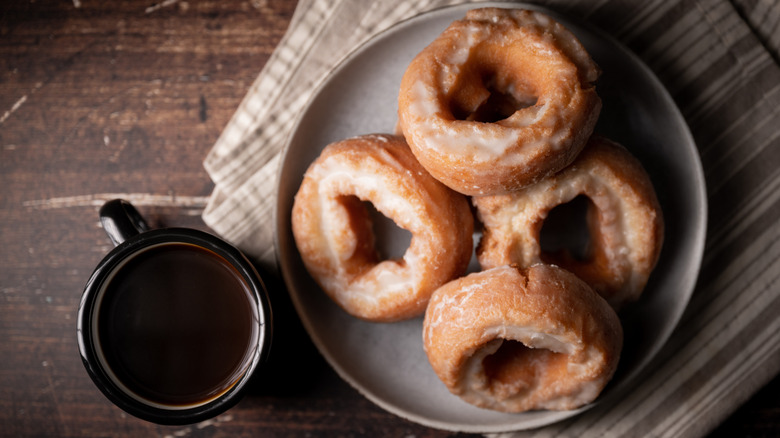
Kerry Bloedorn said that treats, like old-fashioned cake donuts, were always a welcome sight at the communal tables shared by lumberjacks at the camp. "Doughnuts were fried in lard and a camp staple," he shared. "Nothing fancy ever, but after a twelve-hour shift in the frozen woods, nobody was complaining to get sugar anyway it came."
Pies baked with dried fruits were also a welcome, calorie-rich snack, as is evidenced by pie pulling tins made by blacksmiths of the era. These were baked by the dozen, with many featuring raisins and prunes. According to Willa Hammitt Brown, prunes "were certainly popular for keeping the men regular." Dixie Stewart also notes that dried apple pie was also well-liked by the lumberjacks.
According to Bloedorn, other popular desserts and baked goods that were made in large batches included cookies, bread pudding, and rice pudding. Many of these were made using molasses, which he notes was "cheap and [chock] full of calories."
5. Creamed dried beef
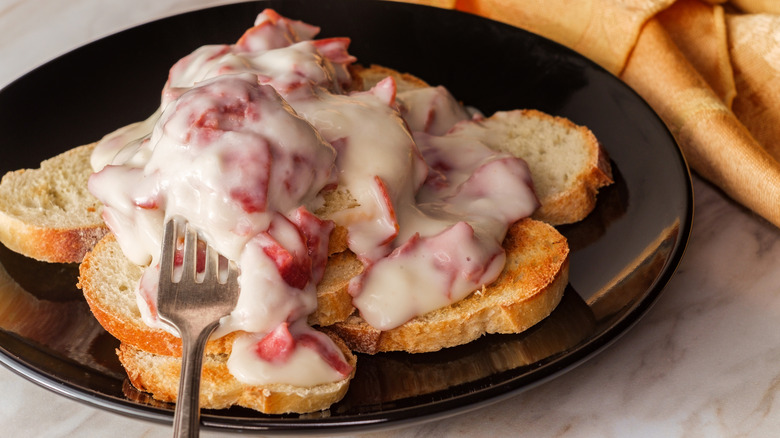
Since meat was a rarity, one clever ingredient that cooks kept on hand was dried beef that could be rehydrated with a tasty cream sauce. Nowadays, this dish is known as creamed chipped beef, and is typically served on toast. But, a preserved menu from a lumberjack camp in the early 1900s features creamed dried beef served with fried cornmeal mush, butter boiled potatoes, syrup bread, orange marmalade, oatmeal cookies, and coffee. That might sound like a strange combination of foods for breakfast, but the men presumably enjoyed it.
Willa Hammitt Brown explained that the camp's success often hinged on the cook and his team. "The cook was incredibly important; pay and work were nearly identical at all lumber camps, so cooks were a competitive edge," she said. "Men would follow particularly good cooks to a camp and would even leave a camp with bad food to find a better one."
Not only were cooks some of the highest paid workers at a camp, they were the single biggest factor when it came to retention of worker from one season to the next. Kerry Bloedorn stated, "A bad cook could empty a camp. A great one kept men fed, content, and coming back next season. The success of a lumber camp started and stopped in the kitchen!"
6. Root vegetables
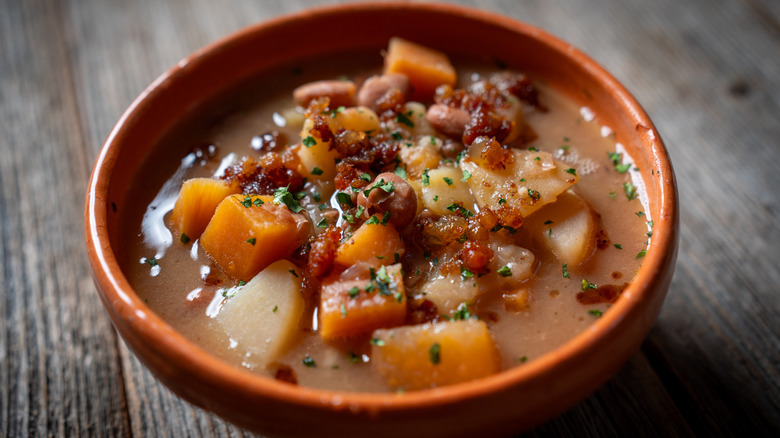
Though canned vegetables were invented in the early 19th century, they didn't become popular until the dawn of the 20th century, making it necessary for logging camps to make use of what they could easily store, namely root vegetables. Willa Hammitt Brown explained "Most camps would dig a root cellar to store root vegetables and keep them fresh as long as possible." And, Dixie Stewart noted that "Potatoes, carrots, turnips, parsnips, cabbage, onions, and rutabaga were the vegetables used by the camps as they were easy to store in a root cellar for most of the winter."
These root vegetables were often fashioned into soups and stews. Among the most popular of these was a classic split pea soup, but others included potato and bone broth-based recipes that were hot and satisfying. According to Kerry Bloedorn, "Hearty but simple soups that could feed a large crew on the cheap ... and [were] easy to make in bulk" provided a calorie-dense meals that could fill up the lumberjacks and were the ideal solution for eliminating food waste.
7. Deer and other game when hunting was possible

Some men in these lumberjack camps were also talented hunters. When time and luck allowed, they were able to feast on fresh meat, which was definitely a luxury. Dixie Stewart said that it was common for the cooks to use wild game meat in stews, specifically. Boiling the meat would help soften the texture.
Kerry Bloedorn said that the winter actually helped the cooks because the freezing temperatures ensured that any game that was hunted could remain edible for long stretches of time. He explained that, "whole animals were hung outdoors or in an unheated shed and simply frozen solid until needed."
The idea of working outside during winter might sound awful, but some things worked out for the best this way. The teams were able to get into a flow and complete the job with ease. Bloedorn continued, "The freeze preserved food, hardened the ground for hauling timber, and locked the rivers solid until the spring log drives. The whole operation was built around the cold, and the camp cook stocked his pantry accordingly."
8. Sandwiches made with simple ingredients
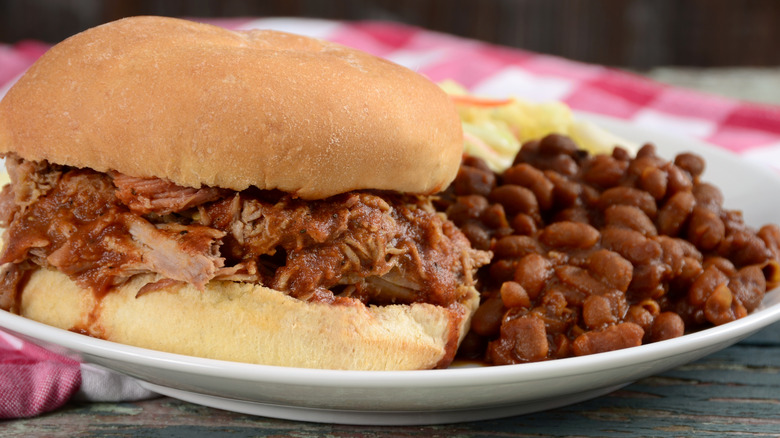
In addition to soup, Dixie Stewart said that lunch for lumberjacks could have included sandwiches, coffee, tea, and donuts. Essentially, the men could have a second go at anything that wasn't finished during breakfast.
Kerry Bloedorn explained that sometimes, the cooks and their teams would have to lug lunch out (also known as "noon piece") to the lumberjacks over a mile away from the kitchen. Therefore, he said, "It was simple and portable: Cold salt pork or leftover meat sandwiched in thick bread, baked beans, and cookies or pie for quick energy. Hot tea or coffee came along in a jug to warm up the jacks."
While all three experts agreed that the lumberjacks never cooked their own meals, there are some historical interviews that revealed that some camps allowed the men to pack their own lunches. The cooks would set everything out and let the men choose whatever they fancied. Some men made peanut butter sandwiches, while others debated over sweet treats, like pie, cookies, or donuts. "Cookies were portable, handheld, and were given out like currency," Bloedorn noted.
9. Beanhole beans
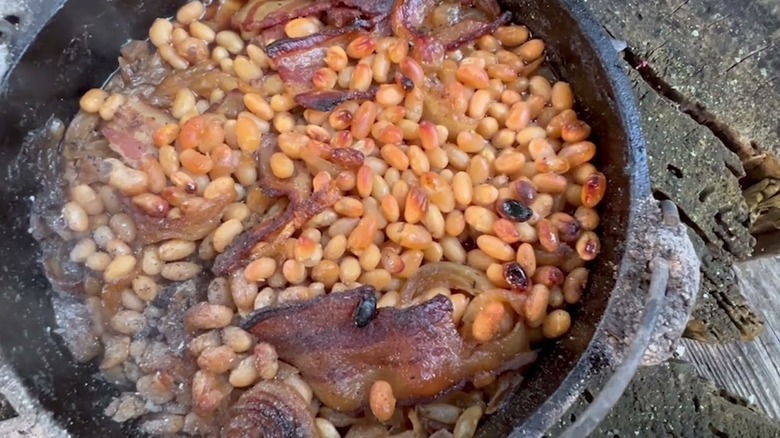
How many different ways could you prepare beans without getting bored? Dixie Stewart shared, "Bean soup was most likely the soup they ate most often." Willa Hammitt Brown warned that it's "no joke to cook with less-than-fresh ingredients." Still, the cooks did their best to innovate. Out of this innovation came a dish that became a staple throughout the country: Beanhole beans.
Kerry Bloedorn explained that the name came from the cooking technique. "A variety of beans would be cooked in a 'bean hole'," he said. "Because dried beans need to be cooked a long time, a hole would be dug in the ground, a fire made within, and then a bean pot set on the coals and buried with more coals. It cooked often overnight, and dug for serving."
While beans were the central ingredient in this dish, the soup got its flavor from salt pork. This dish is simple and was usually served with bread to add even more bulk during lunch. "Along with beans, bread was a MUST, and other carb heavy food items were always on the menu. Slathered in lard or fruit preserves if lucky," Bloedorn elaborated.
10. Potatoes
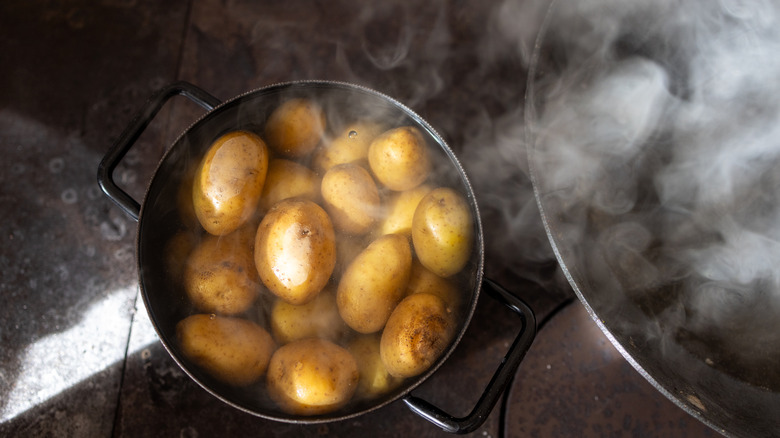
Once the lumberjacks came back to camp to rest for the evening, they were ready for dinner. Willa Hammitt Brown said the three pillars of this meal were potatoes, other root vegetables, and pies for dessert. Kerry Bloedorn said, "The cook pulled out all the stops," which meant the feast included "roasted or boiled salt pork, beef stew or wild game when available, alongside piles of boiled potatoes, baked beans, and dense bread."
Dixie Stewart echoed the sentiment that dinner was the main meal of the day, noting that in addition to several main dishes, "they ate potatoes every day." Not only were spuds easy to store, they were a great source of nutrition for the hardworking men.
Bloedorn elaborated that seconds were often expected because the lumberjacks were grateful to finally be off the clock. Eating was a way to unwind and refuel for yet another day of intense work in the woods.
11. Baked fish
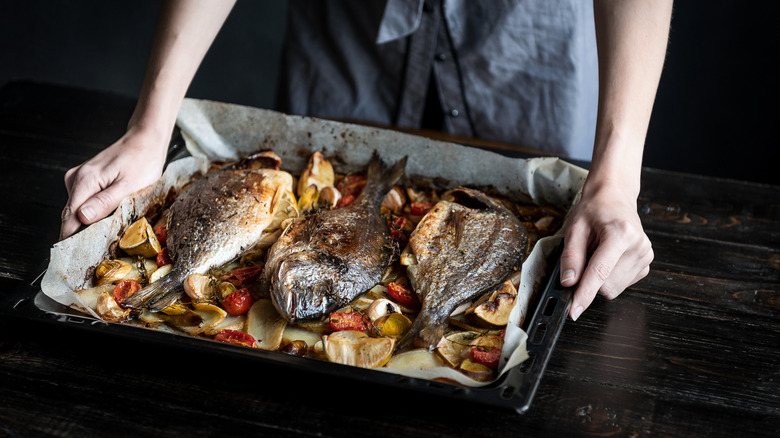
Baked fish was also on the menu at times, especially at camps located near rivers. One dinner from a 1917 logging camp menu was sure to hit the spot: It featured corn soup (which would have brought a pleasant sweetness) to start, then baked fish with mashed potatoes and creamed cabbage. And, of course, the men also had tons of bread and butter to fill their stomachs, plus oatmeal pudding with milk sauce for dessert.
This simple addition to the meal rotation could work wonders for luring lumberjacks to the site. Kerry Bloedorn shared, "The reputation of the bull cook traveled fast through logging country. A skilled cook with a good table was a powerful recruiting tool, and lumber companies knew it."
The pressure didn't stop once the men were recruited. The cooks had to consistently make enough food and ensure it was tasty. Bloedorn said, "The scale alone was tough. Everything had to be made in industrial quantities, dozens of loaves of bread baked daily, entire pigs, barrels of beans, pies counted in the dozens. A cook who didn't plan right ran short, and a hungry crew was a dangerous and unhappy one."
12. Roast loin of pork
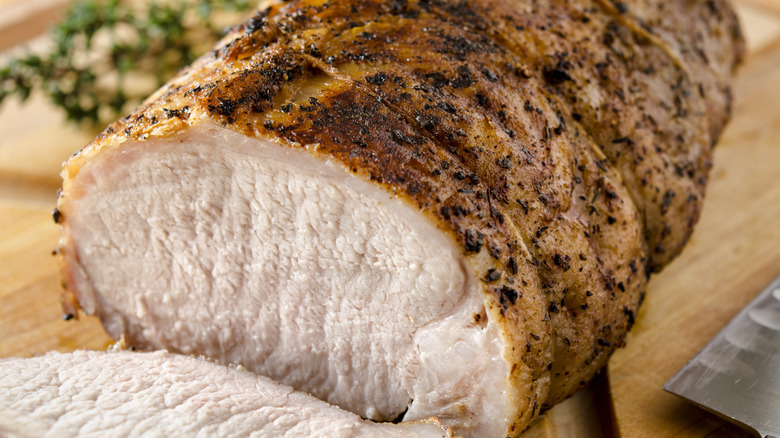
A 1923 lumber camp menu shared by the Maine State Museum shows what a proper dinner could have looked like when camp conditions were favorable. Those men dined on roast pork loin with mashed turnips, green peas, gravy, baked beans, and yeast bread.
Given how prevalent root vegetables were in camp kitchens, it's no surprise that the team got creative and made mashed turnips to give the men a break from potatoes. For the uninitiated, mashed turnips can be quite tasty and similar to potatoes. They have a bit of a peppery bite and a subtle sweetness compared to white potatoes.
Of course, no dinner would have been complete without dessert. Kerry Bloedorn shared, "Lots of sugar would be served at this meal: Pies, puddings, or molasses cookies." For dessert, these men in Maine sipped tea while munching on pineapple pie and cookies. The pineapple pie was most definitely an exotic treat since the lumberjacks were used to prunes and the occasional apple pie. One could imagine that these men had an extra pep in their step the following day.
13. Home fry and hot dog patties
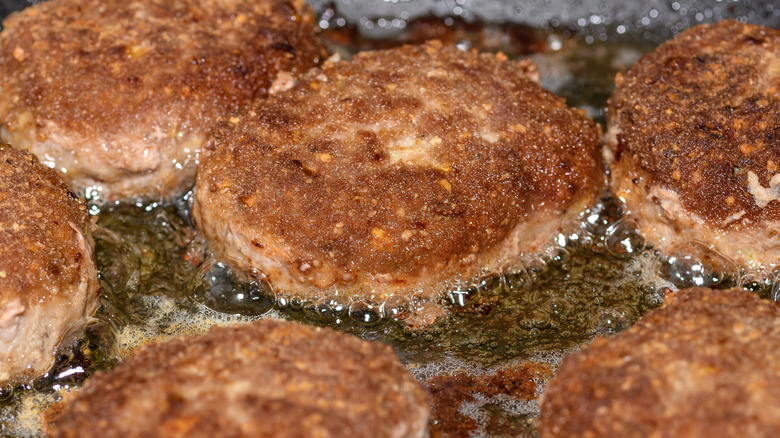
Rita Chiasson was a divorced mom of five who became a traveling cook for Adirondack lumberjacks to make ends meet. She was known to come up with creative meals, including a dish the men responded passionately to: Home fries mashed together with hot dogs and fried in lard. We can imagine the results were crispy on the outside, chewy in the middle, and delightfully savory.
Although Chiasson may have had help, her interview (whose tape and transcript are at the Adirondack Museum) gives the impression that she worked alone. According to Kerry Bloedorn, this was possible at a small camp. "Depending on the type and size of camp, the cook could be a professional hired cook for a large camp run by a large woods operation," he said. "Or in a smaller camp it could be the foreman's wife."
Chiasson was grateful that the men were kind and respectful to her. Respect was a huge deal at these camps. Willa Hammitt Brown explained, "No talking was allowed at meals so that the men could get in and out quickly and cooks/cooks assistants could hear the calls for more food. There were tall tales of cooks who had beheaded men for talking during the meal or complaining about the food." Thankfully, Chiasson was not likely to receive such complaints. Among her superstar meals were also macaroni salad made with instant or evaporated milk, and cauliflower with milk gravy.